By Francisco Seoane Pérez*
The headquarters of the unionist party Ciudadanos in Lleida offer an eloquent view of the state of incivility that surrounds the secessionist process affecting Catalonia and Spain. On the floor one can see a basket full of stones, some of them bigger than the size of a regular pen, that Catalan independence supporters have thrown in the past few days. One of the walls, renamed by Ciudadanos’ activists as ‘the hate wall’, holds dozens of printouts from Twitter messages containing threats and insults to the party. Although the secessionist movement that has shaken Catalonia since 2014 insists on its peaceful nature, this party office is a showcase of both physical and verbal violence.
To date the harshest violence, secessionists contend, was exerted by the Spanish police on October 1, 2017, when an independence referendum was organised by the nationalist ruling coalition in Catalonia. As compared to other referenda of the same kind in Scotland and Canada, this vote was not agreed with the central state, which is adamant about the constitutional indivisibility of Spain. The referendum was therefore rendered illegal by the courts and the police was instructed to withdraw the ballot boxes from the polling stations, which resulted in the violent repression of voters.
Catalonia is today a divided society. Families, friends, coworkers and even couples are torn on the issue of independence. If the results of the latest regional election (on 21 December 2017) are taken as a proxy of political feelings on the issue, there is a slight pro-independence majority in the Catalan parliament, although the most voted-for party is the unionist Ciudadanos, a centrist formation that likens itself to the British or German Liberal parties. There is also an urban-rural split, with Barcelona and other coastal cities being more supportive of Ciudadanos and other pro-Constitution parties, while the interior provinces are clearly more nationalist.
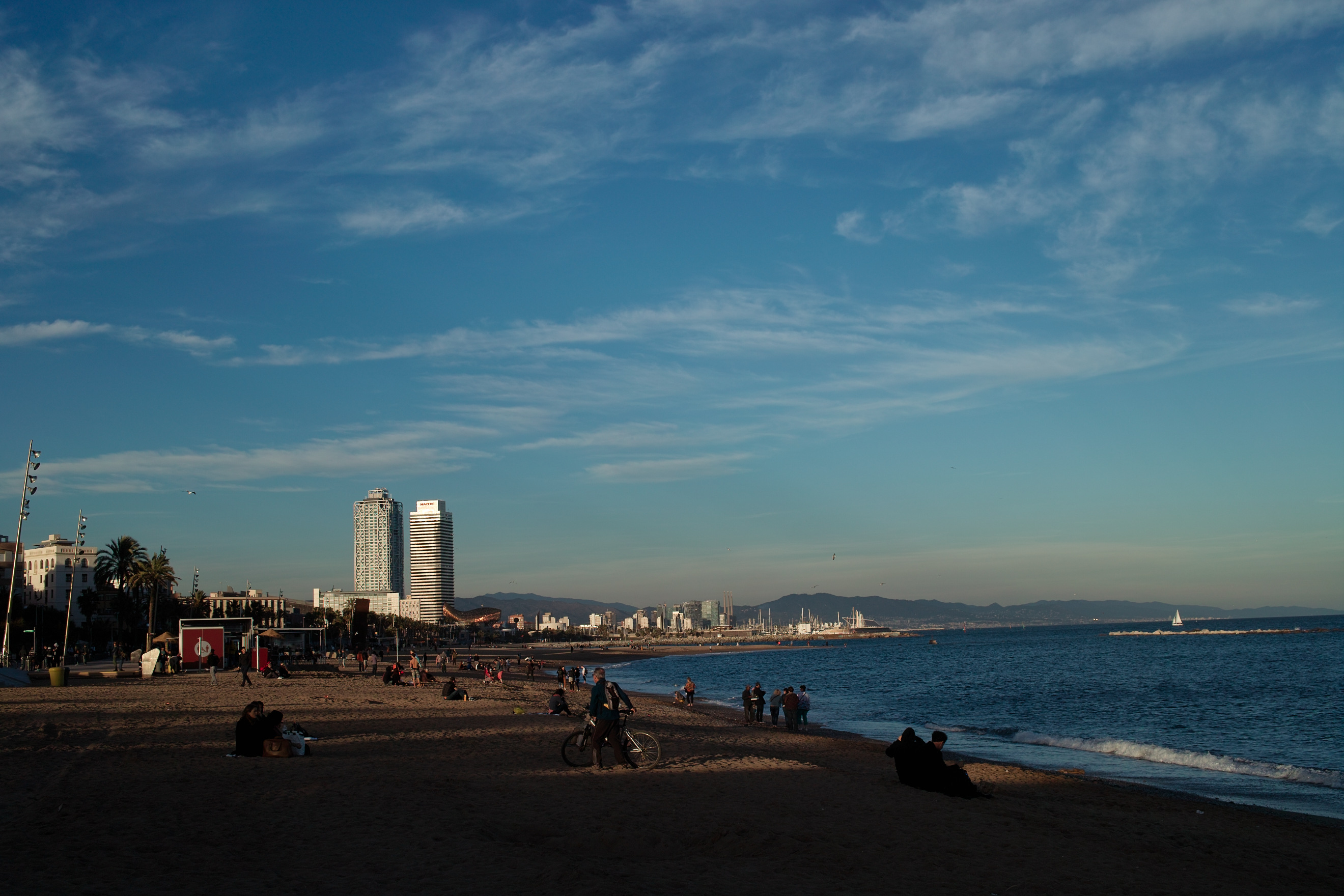
Barcelona has always prided itself for being Spain’s most cosmopolitan hub. In the 1970s, still under the dictatorship of Franco, the Mediterranean city was a magnet for artists and young liberal professionals. The celebration of the Olympic Games in 1992 offered the world the image of a new Spain epitomized in Barcelona: open, modern, forward-looking, and aesthetically as colourful, happy, and avant-garde as the iconic Gaudí buildings. Still one of the most decentralized countries in the world, with health and education competences managed by the regions, Spain stood as one of the finest examples of the ‘unity in diversity’ that the European Union adopted as its motto. What went wrong?
The financial downturn of 2008 might have something to do. But instead of blaming transnational capitalism, the Catalans turned their heads towards the rest of Spain, specially to the less competitive regions that receive solidarity transfers from wealthier parts like Catalonia itself. Within the Catalan secessionist movement there is a mix of economic grievance (the same that encourages rich Northern Italy to look down on the poorer Mezzogiorno) and ethno-political resentment towards Spain, which for indepentists symbolizes backwardness: the monarchy, corruption, ultra-conservatism… This despite Catalonia has been bailed-out by international credits requested by the Kingdom of Spain and has suffered its own corruption cases involving the Pujol family, for decades the image of Catalan nationalism.
In such a divided society, the ground is likely to breed hate. But how worried should we be? Certainly, a comparison with 1993’s Rwanda would be exaggerated, but the civil war feeling that is sensed on the streets may yield the sort of division that Belgium witnessed with the linguistic split of Leuven in the 1960s. Yet Barcelona is no Leuven. It is a postmodern global city, marred by the same plague afflicting all global centres: death by massive tourism and gentrification. Its insertion in all sorts of global engagements (from Mediterranean cruise routes to world-class business meetings like the Mobile World Congress) make it an odd leading city for a secessionist movement.
Meanwhile, the Spanish state and its courts are criticised by erring on overreaction. The Basque terrorist organisation laid down its arms in 2011, but the charges for glorifying terrorism are grown fivefold since then. The bloody scenes of policemen beating pollsters could have easily been avoided, as the vote was called by secessionists and lacked any legal guarantees.
Battles that leave contenders blind are perhaps not worth the fight. The question is whether this digital age, where any nonsensical outburst can reach thousands, is paving the road to a sad Autumn rather than a hopeful Spring in Catalonia.
*Francisco Seoane Pérez is lecturer in journalism studies at the Universidad Carlos III de Madrid. He is the recipient, along with Professor Katharine Sarikakis, of a Santander-UC3M Chair of Excellence grant to study hate speech in political campaigns.
 Media Governance and Industries Lab Blog
Leave a comment